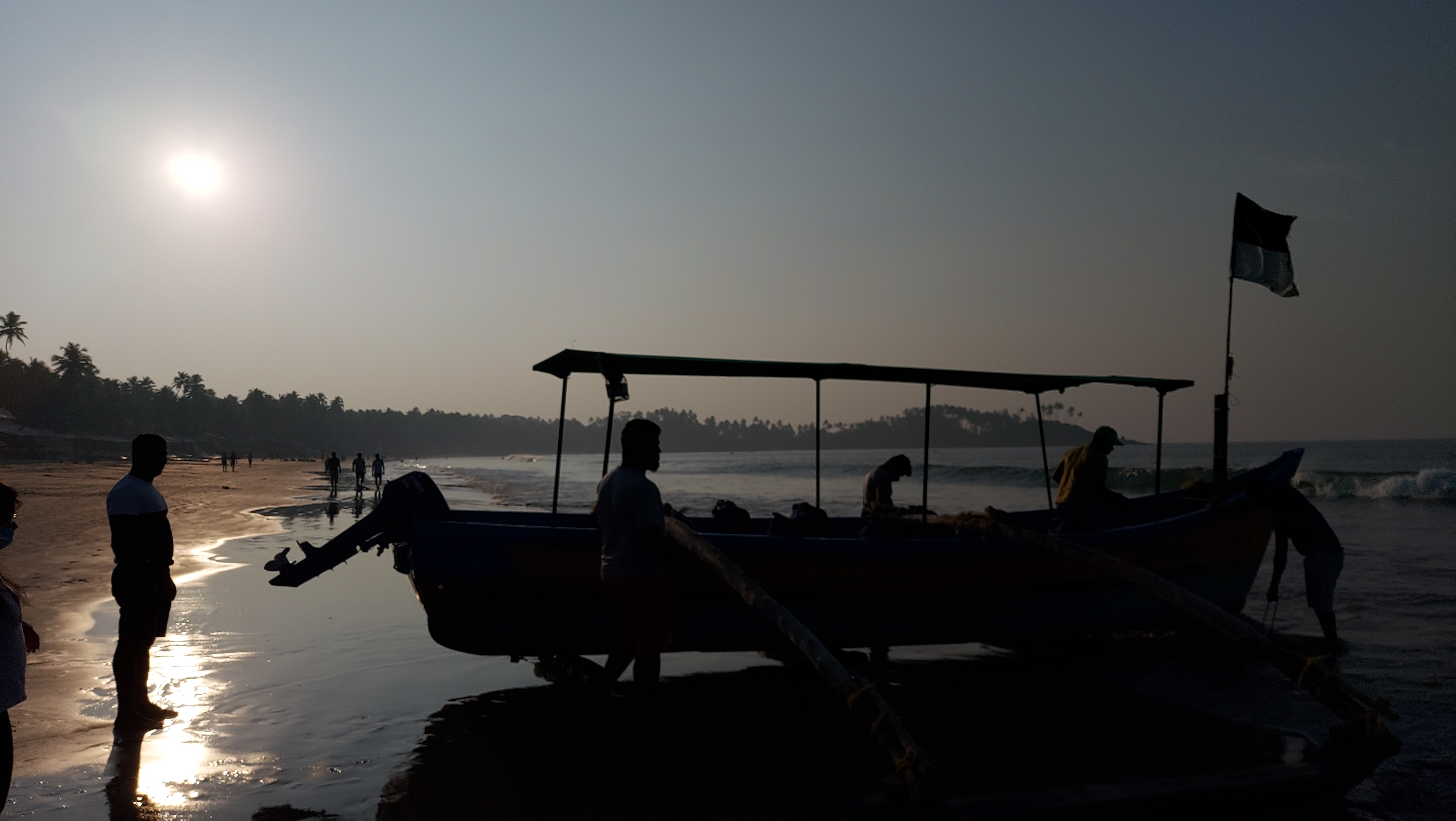
Goa has a split personality, and most guides only show you one half of it. There’s the version everyone pictures — Baga’s beach shacks blasting music till 2am, Tito’s Lane, a Casino boat on the Mandovi — and there’s a quieter version a short drive away, where the same coastline empties out and the loudest thing around is the tide.
I’ve done both. A 3-week peak-season workcation covering North Goa, South Goa, and Panjim city life, and a separate ~3-week shoulder-season trip — about 9 days in Ashwem, 4 days back in Panjim, and roughly a week in South Goa — right as the crowds thin out. This guide pulls from both.
Goa at a glance
- Best time to visit: I’d actually recommend shoulder season (roughly April, right after peak season ends) over peak season itself — tourist numbers and prices drop noticeably, and the experience is mostly the same: same beaches, same food, just calmer. It’s a little warmer, but not enough to matter. November to February is peak season: the best weather, but also the highest rates and biggest crowds. The one thing to watch for as shoulder season goes on: smaller, less touristy spots (like Ashwem) start closing up for the off-season, so it’s worth checking ahead if there’s somewhere specific you want to catch.
- How long you need: For a first, standard visit, a week is enough to cover North and South beaches plus Panjim, without rushing.
- Budget: Roughly ₹2,500/day for a decent double room. Food costs swing a lot by location — anywhere beyond Morjim in the North is noticeably cheaper than the Baga/Calangute strip. Local taxis run ₹30-40/km.
- Getting there by air: Goa has two airports. Dabolim (GOI) near Vasco da Gama is the older one, better if you’re staying in South Goa. Manohar International Airport / Mopa (GOX), near Pernem, is the newer one and far more convenient if you’re headed to North Goa spots like Arambol, Morjim, or Ashwem.
- Getting there by train: Madgaon Junction is the main hub (best for South Goa and onward connections). Thivim, near Mapusa, is the better stop for North Goa. Karmali is closest to Panaji.
- Getting around: Rent a scooter or car — it’s genuinely the best way to move between beaches at your own pace.
Peak season: North Goa
We started at an upscale resort in Candolim, using it as a base for three days between Chapora Fort and Aguada Fort.
Chapora Fort — yes, the one from Dil Chahta Hai — is a short, worthwhile climb, best timed for sunset, with the Chapora river and beaches visible from the top. From there we spent the rest of the day at a beach shack along Vagator, and returned the next day to Aguada Fort, an old military fort with a lighthouse and a large water tank, best visited in the evening for the light.
That evening we went to Baga — the classic party beach — strolled Tito’s Lane, and had dinner at Tito’s Club itself. Loud, busy, good food, exactly what you’d expect.
From Candolim we moved further north to Arambol for six days, staying in an Airbnb, splitting time between working and exploring the stretch between Morjim and Querim beach by scooter. A few places worth calling out specifically: Arcan Bar & Restaurant for a reliable, well-priced dinner spot with occasional live music; Garden of Dreams, especially good if you’re vegan, and a nice place to work from during the day; and Laughing Buddha, a beach shack with huts if you just want to lie down at the beach all day.
One practical thing worth knowing: many beach shacks fry everything — fish, fritters, fries — in the same oil. If you’re vegetarian or don’t want the fishy taste carrying over, ask if they’ll use fresh oil. Most won’t, but it’s worth asking before you order.
Peak season: South Goa
South Goa felt different immediately — quieter, and where Palolem became our base for a week in an Airbnb beach house.
We rented a scooter to cover the stretch between Cabo de Rama Fort and Palolem itself. Cabo de Rama is a fairly standard ruined Portuguese fort, but the real reason to go is hiking down the side to Pebbles Beach — a quiet, rocky beach that’s one of the best sunset spots we found in Goa. Agonda Beach, on the same route, was the most deserted beach we saw anywhere in the state, any time of day.
For food: Baba’s Little Italy near Palolem beach (book ahead, and don’t skip the tiramisu), and Zest Cafe, a lovely, kind-staffed spot that’s especially good for vegetarians and vegans.
Peak season: Panjim and city life
After the beaches, we spent four days in Panjim/Panaji itself, based in Taleigao. Worth seeing: the St. Augustine Tower, Se Cathedral, the Basilica of Bom Jesus (home to Saint Francis Xavier’s tomb), and the colorful, Portuguese-style Fontainhas neighborhood.
If you want one big-ticket experience, the Deltin Royale casino, on a ship in the Mandovi river, is worth doing once — go around sunset so you catch the ferry ride out with good light. Food and live entertainment on board are decent, not exceptional.
One honest tip on casinos: treat it as a one-time experience, not a way to make money. Enjoy it, set a limit, and don’t try to chase back what you lose.
Shoulder season: Ashwem, Panjim, and South Goa
Everything above was peak season. Going back later — this time in shoulder season, as the crowds were already thinning out — meant revisiting some of the same ground: about 9 days in Ashwem, 4 days back in Panjim, and roughly a week in South Goa.
The honest takeaway: it’s mostly the same Goa. Same beaches, same forts, same food — just noticeably fewer tourists and lower prices across the board, from accommodation to the beach shacks themselves. The weather is a touch warmer than peak season, but not enough to actually change anything about how you’d spend the day. If I had to pick one window to recommend over the other, it’s this one.
The one real trade-off: as shoulder season progresses toward the monsoon off-season, smaller, less touristy places — Ashwem included — start winding down and closing for the year, so it’s worth checking ahead if there’s somewhere specific on your list.
Practical tips
- Budget realistically: ~₹2,500/day for a decent double room, more if you’re staying right on the main touristy strips (Baga, Calangute), less if you go a little further out.
- North vs. South: North Goa is louder, more nightlife-driven, more infrastructure. South Goa is quieter, more spread out, better if you want to actually relax rather than party.
- Book ahead for the sit-down spots — Baba’s Little Italy especially.
- Note on places mentioned above: some of these recommendations are from a 2021 visit. Goa’s beach-shack scene changes fast — treat this as an honest account of what was good then, and double check current status before you go.
Frequently asked questions
How do I deal with local taxis and taxi unions in Goa? App-based cabs like Ola/Uber are often unreliable or effectively blocked in large parts of Goa because of local taxi unions — don’t count on them the way you would in a bigger city. Local taxis run roughly ₹30-40/km; agree on the fare before you get in. Honestly, renting your own scooter or car for the duration of your stay sidesteps this entirely and is how most people actually get around.
Is November to February really the best time to visit? It’s peak season for a reason — the best weather, but also the highest prices and biggest crowds. I’d actually recommend shoulder season (roughly April) instead: tourist numbers and costs drop noticeably, the experience is nearly identical, and it’s only a little warmer.
How many days do I need in Goa? A week is a good baseline for a first visit — enough to see North Goa, South Goa, and Panjim without feeling rushed. Longer if you want to actually relax rather than sightsee.
Should I stay in North Goa or South Goa? North for nightlife and energy, South for quiet beaches and a slower pace. Many visitors do a few days in each.