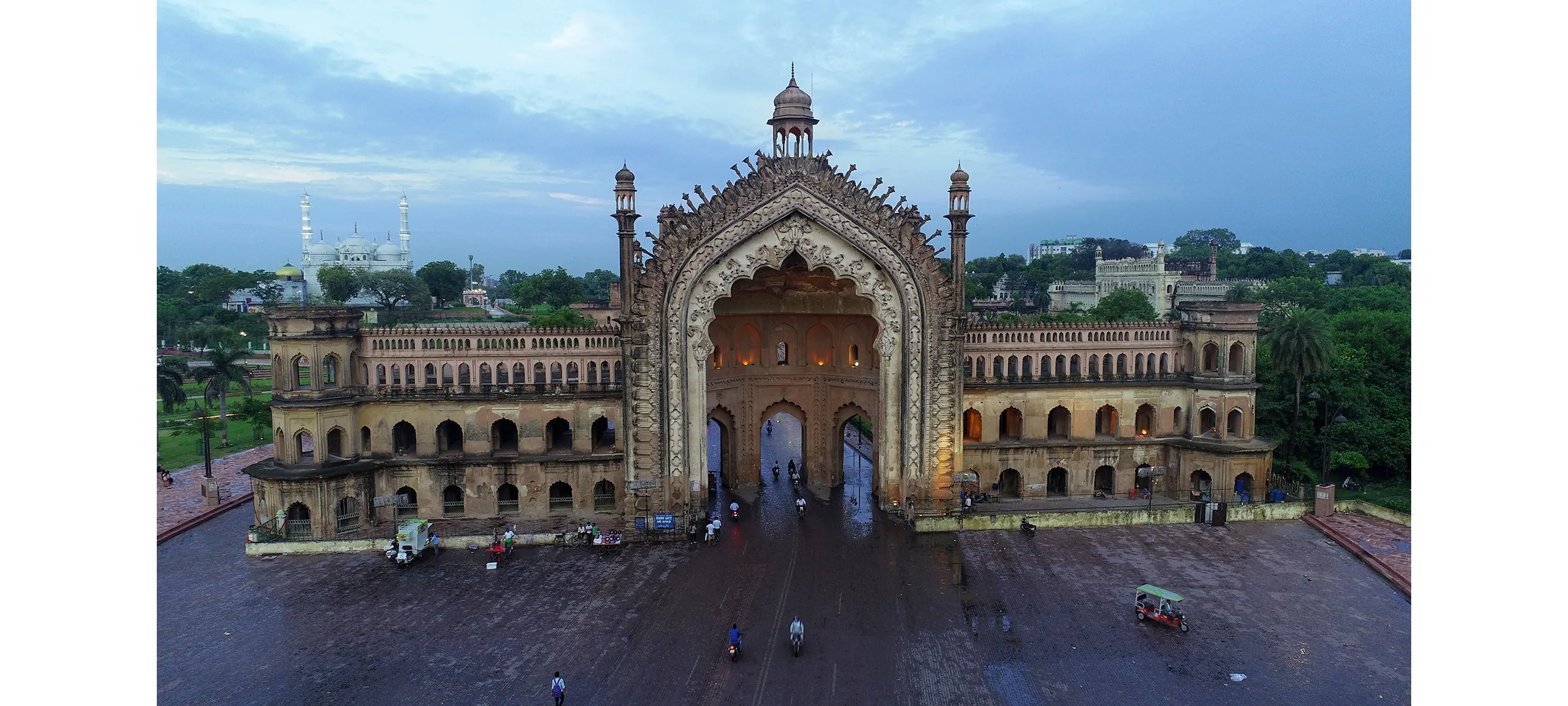
Lucknow just got an official stamp for something that nobody who grew up here ever needed convincing of. On October 31st, 2025 — World Cities Day — UNESCO named Lucknow a Creative City of Gastronomy, one of 58 cities added that day at the General Conference in Samarkand. It’s only the second Indian city to get the title, after Hyderabad in 2019. Translation: the rest of the world has finally caught up to what growing up here tastes like.
Before the list, one thing I need to get off my chest. It’s the only soap-box moment in this whole post, I promise.
It’s pulao. It is not biryani. Fight me.
Here’s the thing about Lucknow and biryani: we don’t really have one. What the city actually perfected is Yakhni Pulao, and somewhere along the way pop culture — Instagram reels, YouTube shorts, every food page chasing the one word everyone already searches for — flattened it into “Lucknowi biryani” because biryani is the famous name and pulao doesn’t trend.
In the nawabi kitchens, the two dishes weren’t even the same tier of food. Biryani was army food — robust, heavily spiced, rice and meat layered and cooked together to feed a lot of people fast. The royal khansamas had a less flattering name for it: dhobia pulao. What they actually served the nawabs was a technique, not a dump-everything-in-one-pot shortcut — meat slow-simmered with a potli of whole spices to pull out a clean, fragrant stock, the meat then strained out and the rice cooked entirely in that stock. The point was restraint: every grain separate, white, soft, carrying the meat’s flavor with zero visible masala floating in it. That’s pulao. That’s what’s actually on your plate in Lucknow, wearing a biryani’s name because that’s the brand that sells.
It’s also the whole philosophy of Awadhi cooking, not just this one dish: chase the aroma, not the heat. Whole spices get strained out before serving, so you get the fragrance of a clove without ever biting into one. Red chilli takes a back seat to saffron, kewra water, and rose water. And everything finishes under dum — the pot sealed shut with dough and cooked over slow embers, so the steam has nowhere to go but back down into the rice.
So next time a reel calls it Lucknowi biryani, smile, and know you’re looking at a yakhni pulao in a costume.
Where to actually eat in Lucknow
Sharma Chai, for the gol samosa — genuinely excellent. I will not be ordering the chai, and neither should you.
Shukla Chat House (Hazratganj) for chaat, and Royal Cafe for the basket chaat — a little overrated for how famous it is, honestly, but it’s decent and worth one visit to see what the fuss is about.
Raheem Hotel (not Raheem’s Kulcha Nahari — a different place, don’t mix them up) for the gilafi kulcha and nahari. The kulcha alone is worth the trip. Some people swear by Mubeen’s instead — both are genuinely good, and which one wins is entirely a matter of taste, so I’ll let you fight that one out yourself.
Sakhawat, for the Kakori kebab.
Naushijaan, for the majlisi kebab.
Dastarkhwan (the branch near Tulsi Theatre), for the chicken masala.
Lalla Biryani, for the mutton biryani — and yes, I’m aware I just called it biryani after that whole rant above. It’s yakhni pulao. I don’t make the menu names, I just eat here. Idrees is the other popular name in town, also good, but if I only get to pick one, it’s Lalla.
Tunday Kebabi (the Aminabad branch), for the galawat kebab.
Kareem Kebabi, for the kebab burger.
Rattilal, for the khasta. Netram is also good for khasta, and for the veg thali.
Prakash, for kulfi falooda.
Ram Asrey, for the malai gilori — it genuinely melts in your mouth. One warning: you’re getting there on foot or on a two-wheeler, the lanes are too narrow for a car.
Shree Lassi, for the lassi, and Pandit Raja for thandai.
Frequently asked questions
Why is Lucknow called a UNESCO City of Gastronomy? UNESCO named Lucknow a Creative City of Gastronomy on October 31, 2025, one of 58 cities added that day at the General Conference in Samarkand. It’s recognition for Awadhi cuisine specifically — the nawabi cooking tradition built around dum, restrained spicing, and natural aromatics rather than heat. Lucknow is only the second Indian city with the title, after Hyderabad in 2019.
Is Lucknowi biryani actually biryani? Not really — what’s sold as “Lucknowi biryani” is almost always Yakhni Pulao, a royal-kitchen dish made by cooking rice in a strained meat stock rather than layering spiced rice and meat together the way biryani does. The name stuck because biryani is the more famous word, not because the dish changed.
What’s the difference between pulao and biryani in Lucknow? Pulao is cooked in one pot in a clean, strained stock, with the meat removed before the rice goes in — the goal is separate, fragrant grains with no visible spice. Biryani is layered and cooked together, heavier, and was historically the food of soldiers and commoners rather than the nawabi court.
What are the must-try foods in Lucknow? Galawat (tunday) kebabs, Kakori kebab, nahari with gilafi kulcha, chaat, khasta, and desserts like malai gilori and kulfi falooda. See the full list above for exactly where to get each one.
Where should I eat kebabs in Lucknow? Tunday Kebabi in Aminabad for galawat kebabs, Sakhawat for Kakori kebab, and Naushijaan for majlisi kebab are the three worth building a kebab crawl around.
Come eat this properly, with someone who knows where to stop
This list works on its own, but a lot of it is more fun with context you won’t get standing in line — which gilouti to skip, which kebab place has a better second dish than its famous one, when to go so you’re not fighting a crowd. If you’re coming to Lucknow and want the actual tour, not just a list, reach out and I’ll put one together.